 By brainystoat94
Cats are obligate carnivores, which means their bodies are designed to thrive on a diet primarily consisting of animal protein. Feeding your feline friend the right diet is essential to maintain their health, energy, and longevity. With numerous commercial options available, it can be overwhelming to choose the best diet for your cat. Understanding their nutritional needs and making informed choices can ensure your cat leads a happy and healthy life.
Understanding Feline Nutritional Needs
Cats require a diet rich in protein, moderate in fat, and low in carbohydrates. Unlike humans, cats cannot efficiently digest plant-based proteins, and they rely on essential amino acids, such as taurine, arginine, and methionine, which are only found in animal-based foods. Taurine, in particular, is vital for heart function, vision, and reproduction. A deficiency in taurine can lead to severe health issues, including blindness and heart disease.
In addition to protein, cats need certain vitamins and minerals for overall health. Vitamin A, vitamin D, calcium, and phosphorus are essential for maintaining healthy bones, teeth, and organ function. Omega-3 and omega-6 fatty acids support skin and coat health, while antioxidants like vitamin E and vitamin C contribute to immune system support.
Wet Food vs. Dry Food
When selecting the best diet, pet owners often weigh the benefits of wet versus dry food.
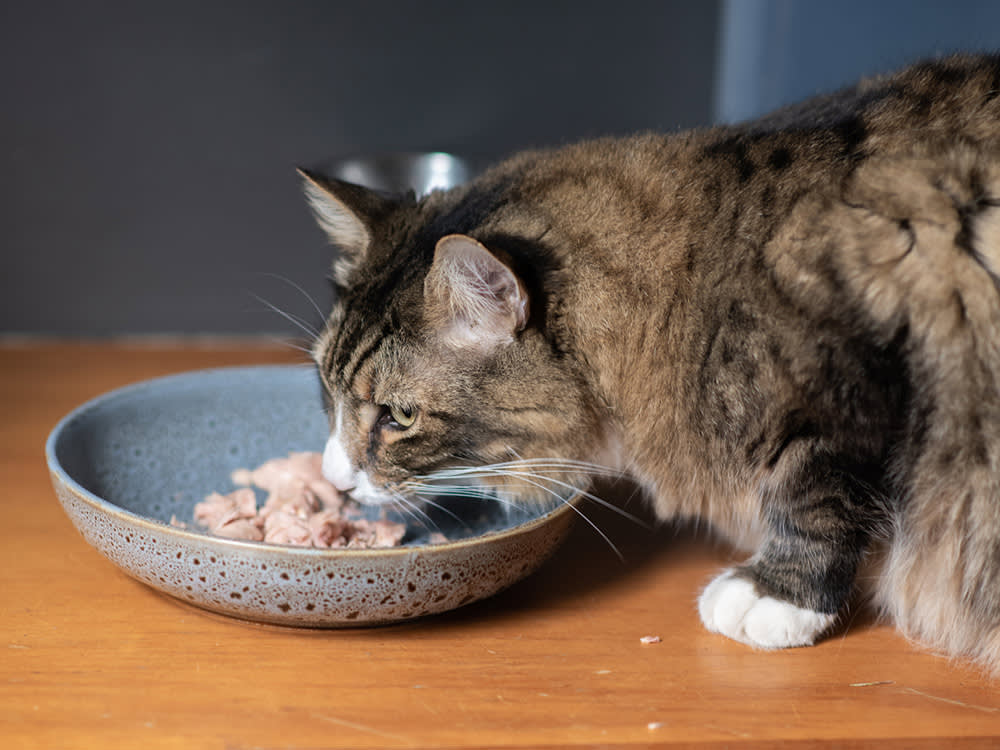
- Wet Food: Canned or wet food typically contains higher moisture content, which helps maintain hydration, especially important for cats prone to urinary tract problems. Wet food is usually higher in protein and lower in carbohydrates, aligning closely with a cat’s natural dietary needs. Its softer texture can also be easier for older cats or cats with dental issues to eat.
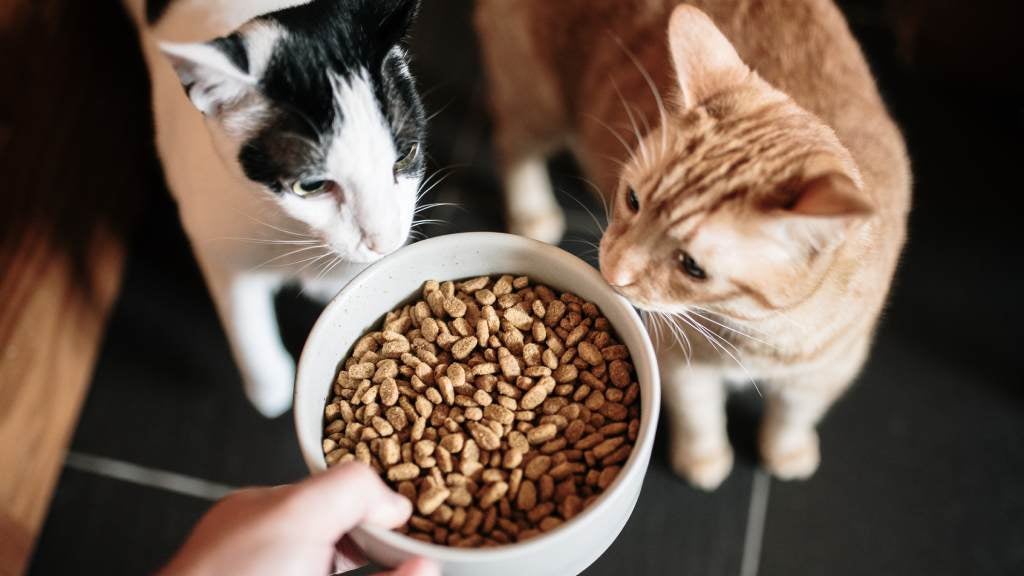
- Dry Food: Dry kibble is convenient, less expensive, and has a longer shelf life. It can help with dental health by reducing tartar buildup through mechanical chewing. However, dry food is generally higher in carbohydrates and lower in moisture, which can lead to dehydration if cats do not drink enough water. Choosing high-quality dry food with a low carbohydrate content and high animal protein is critical for health.
A combination of wet and dry food can provide a balanced approach, ensuring proper hydration while offering dental benefits.
Special Considerations

Cats have unique dietary requirements depending on their age, activity level, and health status. Kittens need more protein, fat, and calories to support growth, while adult cats require a maintenance diet that prevents obesity. Senior cats may need easily digestible food with lower calories but adequate protein to maintain muscle mass.
Some cats have specific health conditions that require specialized diets. For example, cats with kidney disease benefit from a diet lower in phosphorus and protein, whereas overweight cats may require weight management formulas with fewer calories and higher fiber to promote satiety. Always consult your veterinarian before introducing a special diet.
Choosing High-Quality Cat Food
When selecting cat food, focus on products that list a high-quality animal protein source, such as chicken, turkey, or fish, as the first ingredient. Avoid foods that rely heavily on fillers like corn, wheat, and soy, which provide minimal nutritional value for cats.
Look for cat foods that meet the standards set by the Association of American Feed Control Officials (AAFCO), which ensures the food provides complete and balanced nutrition. Reading labels carefully can help identify foods rich in essential nutrients like taurine, omega fatty acids, vitamins, and minerals.
Homemade and Raw Diets
Some cat owners prefer homemade or raw diets to have full control over ingredients. While this can be beneficial if done correctly, it requires careful planning to meet all of a cat’s nutritional needs. Raw diets can increase the risk of bacterial contamination, and unbalanced homemade meals may lead to nutrient deficiencies. If considering homemade or raw feeding, consulting with a veterinary nutritionist is highly recommended.
Encouraging Healthy Eating Habits
Cats are creatures of habit, and sudden changes in diet can cause digestive upset. Introduce new foods gradually by mixing them with their current diet. Portion control is also essential, as overfeeding can lead to obesity, which is a common health issue in domestic cats.
Fresh water should always be available to complement a healthy diet. For cats on dry food, providing multiple water sources or using a cat water fountain can encourage hydration.
Conclusion
Feeding your cat a diet that is high in animal protein, balanced with essential vitamins and minerals, and appropriate for their life stage is the key to maintaining optimal health. Wet food, dry food, or a combination of both can work, provided the food is high quality and nutritionally complete. Regular veterinary checkups, mindful feeding practices, and careful observation of your cat’s weight and behavior will ensure they enjoy a long, happy, and healthy life.