
 By brainystoat94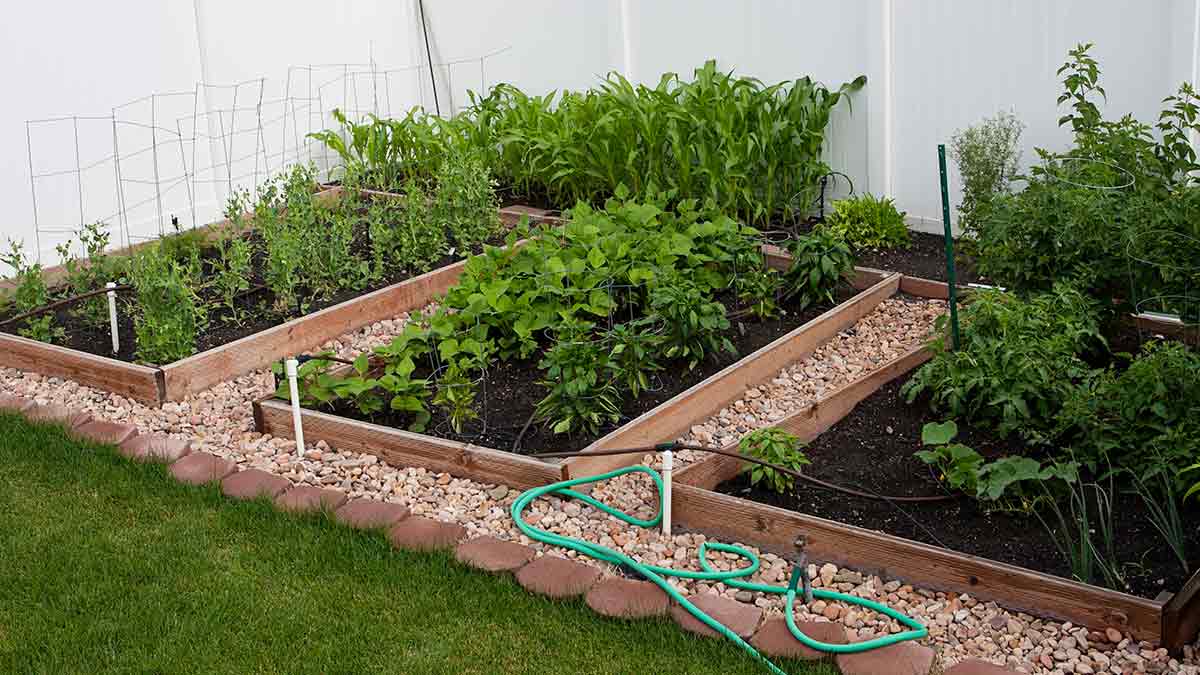
Starting a vegetable garden at home can be an incredibly rewarding experience. Not only does it provide fresh, organic produce for your family, but it also offers a sense of accomplishment, a way to connect with nature, and an opportunity to practice sustainable living. If you’ve been dreaming of growing your own vegetables but don’t know where to start, this guide will walk you through the essential steps to create a thriving home garden.
The first step in starting a vegetable garden is selecting the right location. Most vegetables need at least 6 to 8 hours of direct sunlight daily, so choose a spot that gets plenty of light. The area should also have good drainage because waterlogged soil can damage plant roots and encourage disease. Consider the convenience of access as well—having your garden near your kitchen or back door makes harvesting and maintenance easier.
If outdoor space is limited, don’t worry. You can still grow vegetables in containers or raised beds on a balcony, patio, or even indoors using grow lights. Tomatoes, lettuce, peppers, and herbs are excellent choices for container gardening.
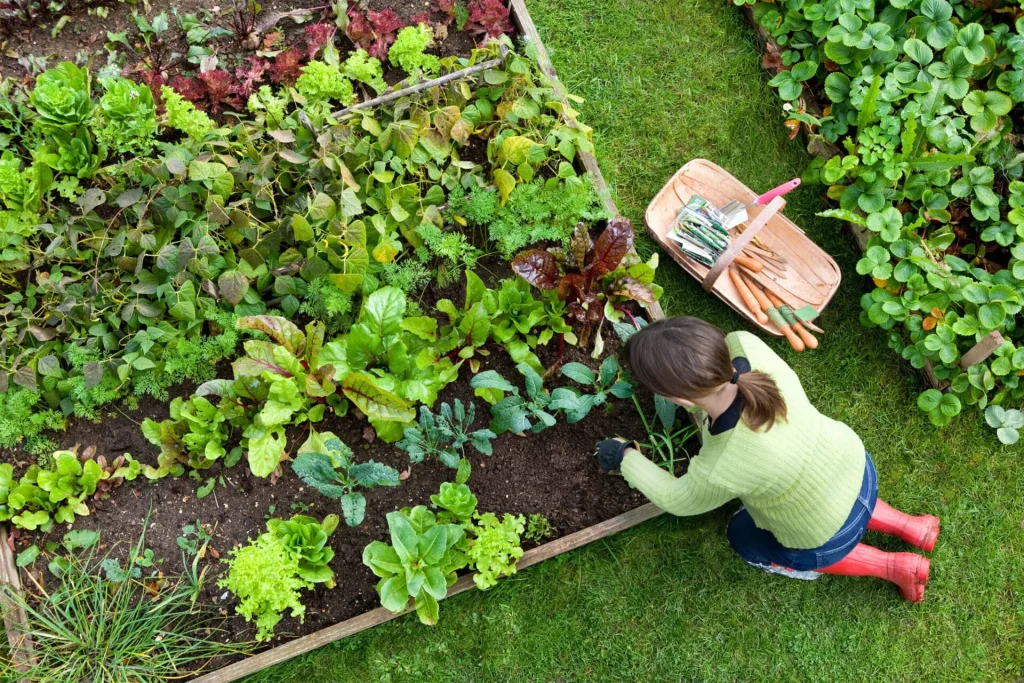
Before planting, it’s important to plan your garden layout. Start by deciding which vegetables you want to grow. Beginners might find it easier to start with easy-to-grow vegetables such as tomatoes, cucumbers, carrots, spinach, and radishes. Think about the growth habits of each plant: tall plants like tomatoes can shade smaller ones, so place them strategically.
Consider companion planting as well. Certain plants grow better together—for instance, basil planted near tomatoes can enhance growth and flavor while repelling pests. Sketching a rough layout on paper can help you visualize the space and make planting more organized.
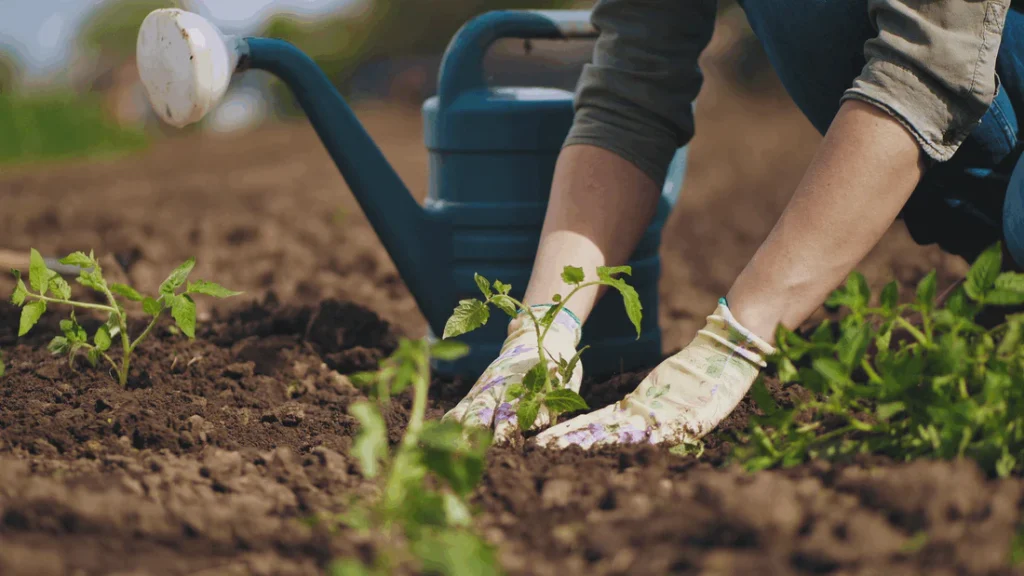
Healthy soil is the foundation of a productive garden. Begin by testing your soil to understand its pH and nutrient levels. Most vegetables thrive in slightly acidic to neutral soil with a pH between 6.0 and 7.0. You can improve soil quality by adding compost, organic matter, or well-rotted manure to boost fertility and drainage.
If your soil is poor or compacted, consider creating raised beds. Raised beds allow you to control the soil quality more easily, reduce weeds, and improve drainage. Aim for beds at least 12 inches deep to give roots plenty of space to grow.
Once your garden layout and soil are ready, it’s time to select seeds or seedlings. Seeds are inexpensive and offer a wider variety of plant types, while seedlings give you a head start on the growing season. Choose varieties suited to your local climate and growing season. Local garden centers often have recommendations for vegetables that grow well in your area.
Pay attention to the planting instructions on the seed packet, including spacing, depth, and timing. Proper spacing ensures good air circulation and reduces the risk of disease.
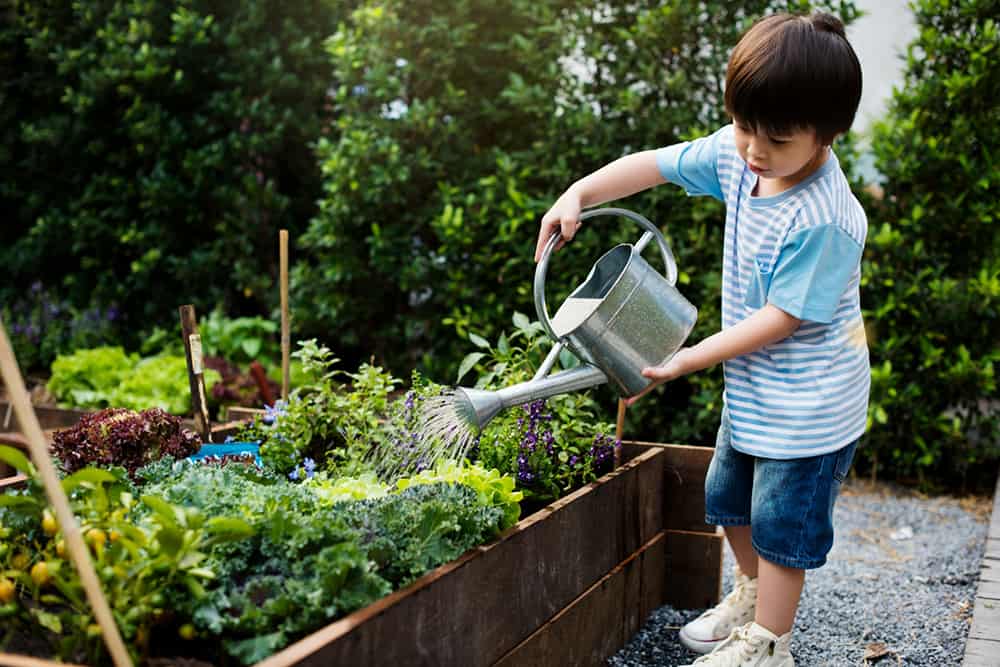
Consistent watering is crucial for a healthy vegetable garden. Most vegetables need about one inch of water per week, either from rainfall or manual watering. Water at the base of the plants rather than overhead to prevent fungal diseases.
Mulching around plants helps retain moisture, suppress weeds, and regulate soil temperature. Organic mulches such as straw, shredded leaves, or wood chips work best. Mulching not only protects the plants but also gradually enriches the soil as it decomposes.
Vegetables need nutrients to grow strong and productive. Use organic fertilizers like compost tea, fish emulsion, or well-rotted manure to feed your plants. Avoid over-fertilizing, as this can lead to excessive leafy growth at the expense of fruits or roots.
Regular maintenance is key to a successful garden. Remove weeds promptly, monitor for pests, and prune or support plants as needed. Early detection of problems can prevent crop loss and keep your garden thriving.
The most rewarding part of gardening is harvesting your vegetables. Harvesting at the right time ensures peak flavor and continued production. Pick vegetables when they are ripe but still tender, as waiting too long can reduce taste and texture.
Remember, gardening is a learning process. Each season brings new experiences, and even mistakes offer valuable lessons. Over time, you’ll discover the best planting schedules, techniques, and crops suited to your home garden.
Starting a vegetable garden at home doesn’t have to be complicated. By choosing the right location, preparing your soil, selecting the best plants, and practicing proper care, you can enjoy fresh, homegrown vegetables year-round. Beyond the produce, gardening offers a sense of accomplishment, improves mental well-being, and strengthens your connection to nature. Whether you have a small balcony or a spacious backyard, anyone can start a vegetable garden and enjoy the countless benefits it brings.